Obi Wallpapers
Download the best high-res 4K anime art and waifu backgrounds featuring Obi.
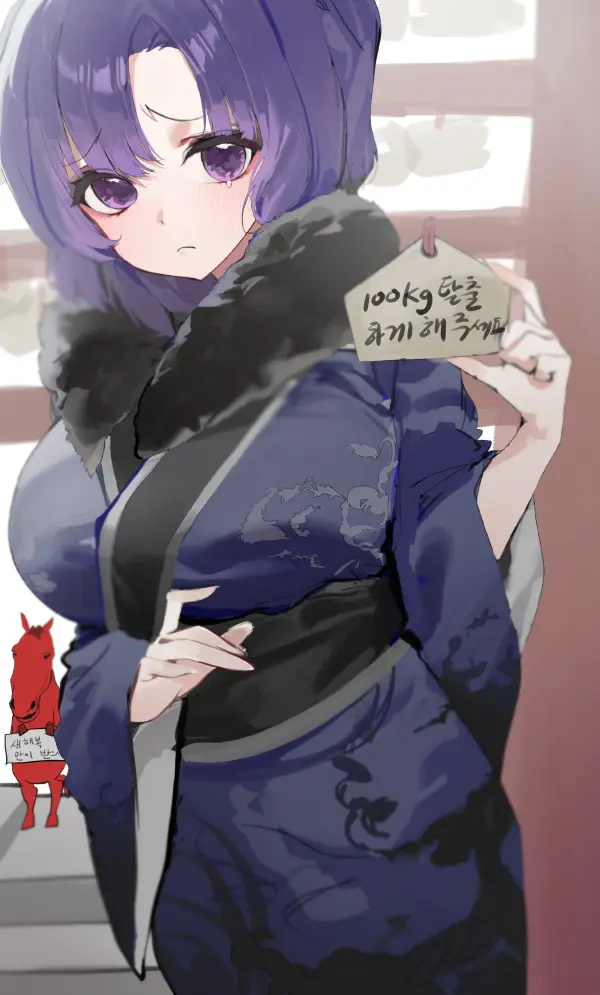
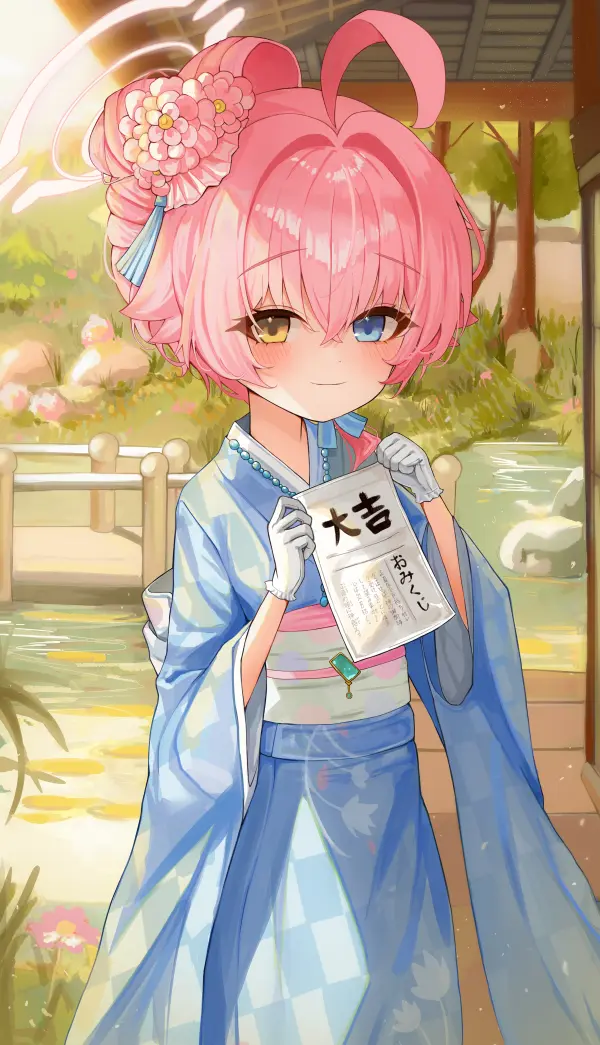
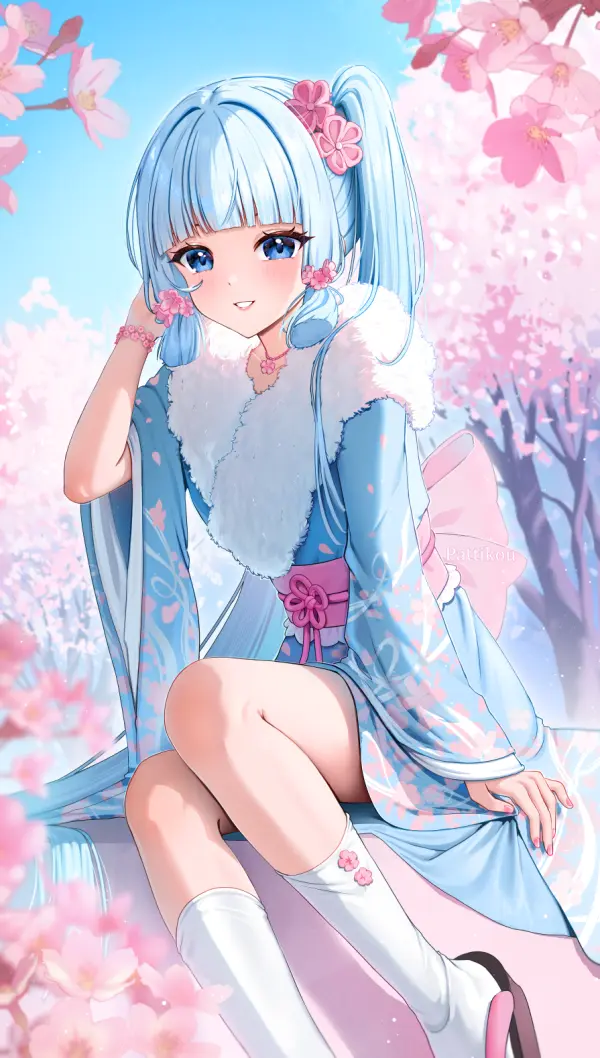
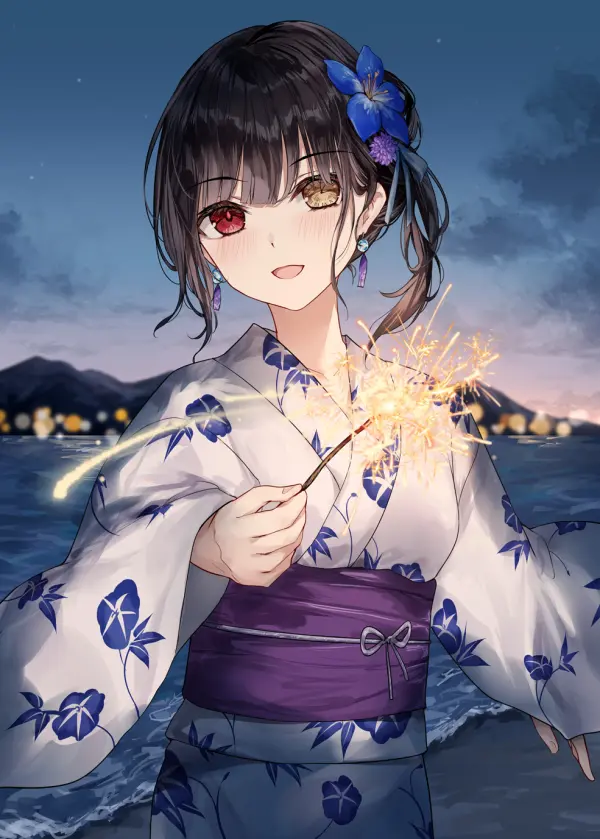
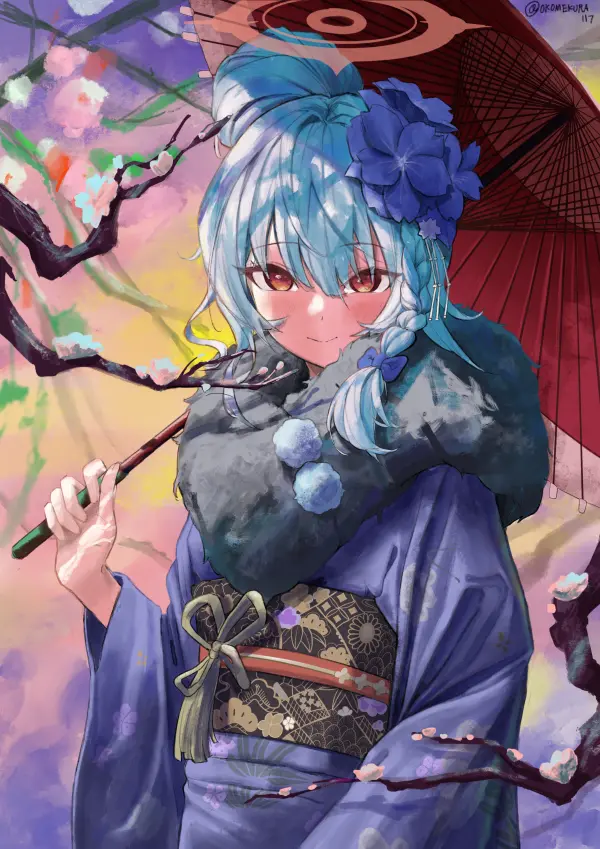
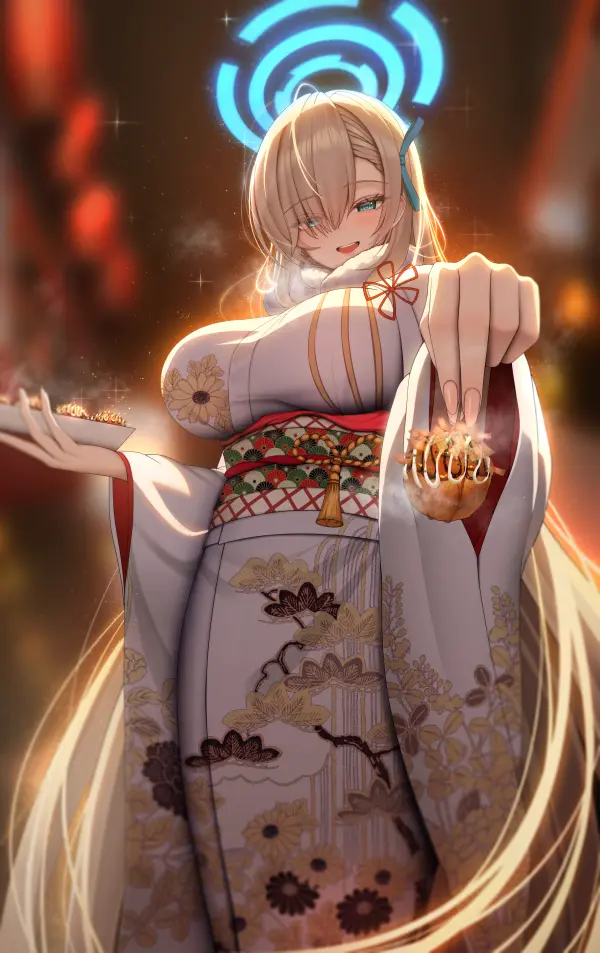
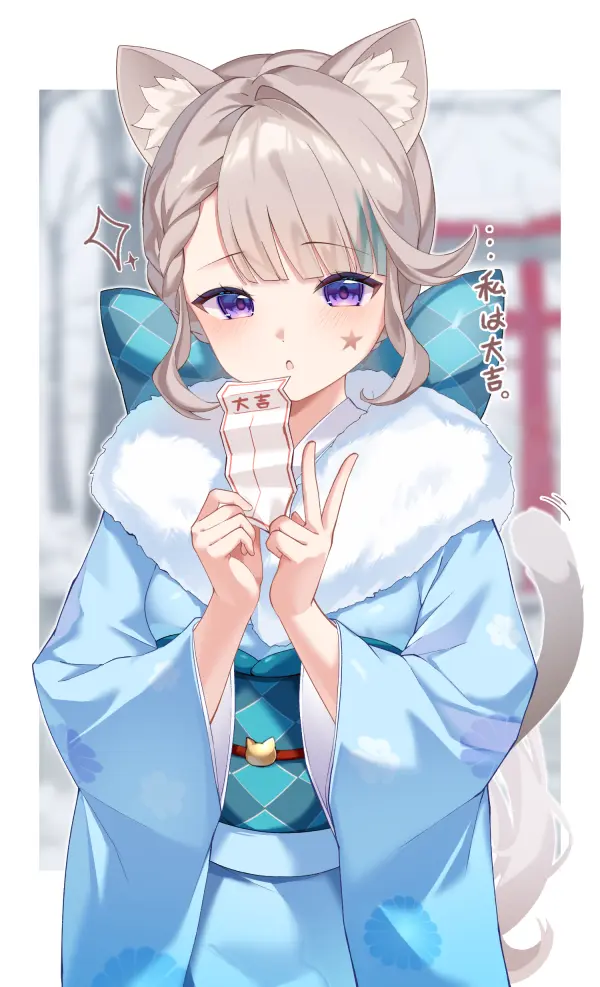
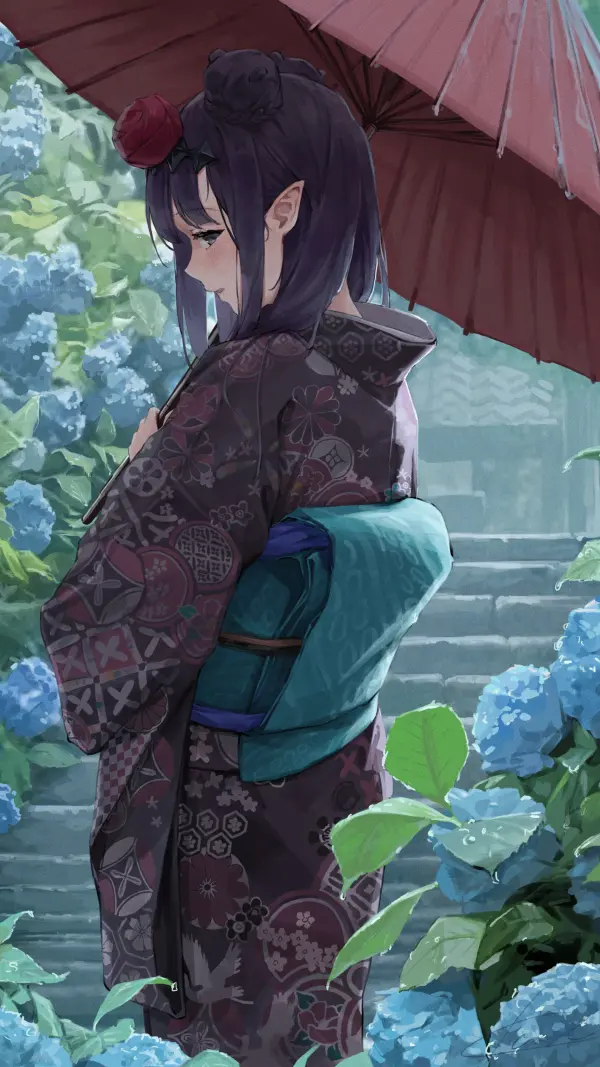
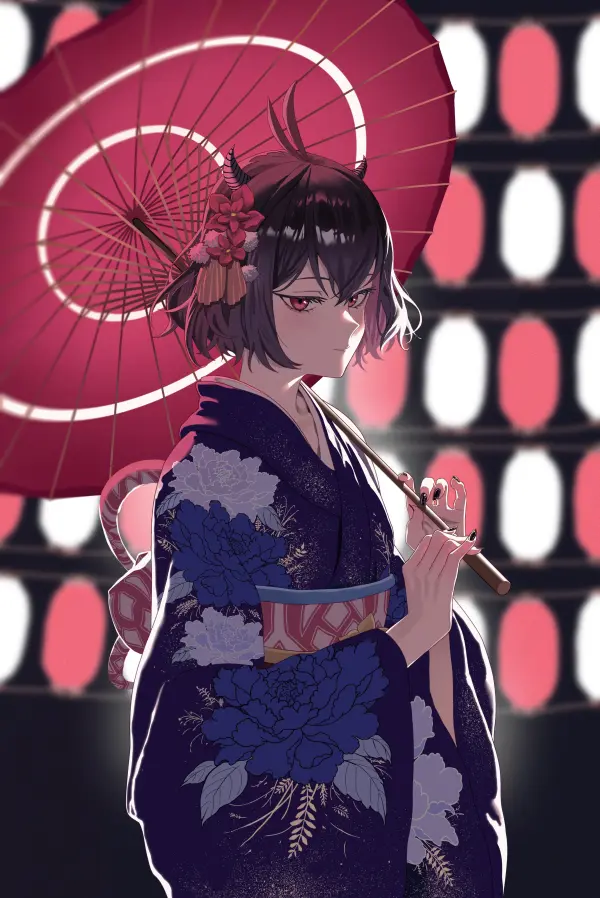
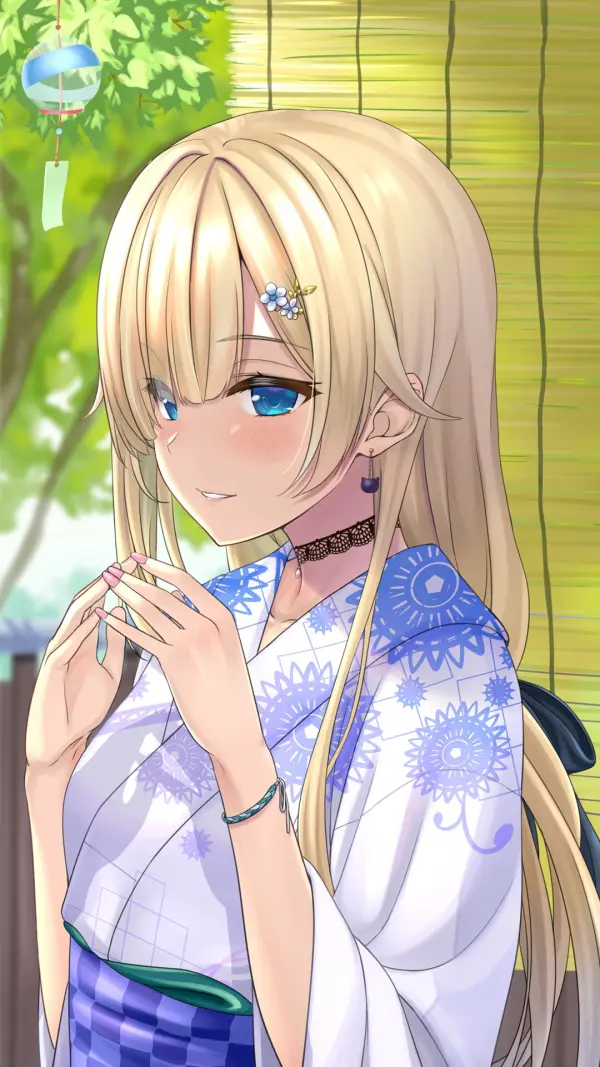
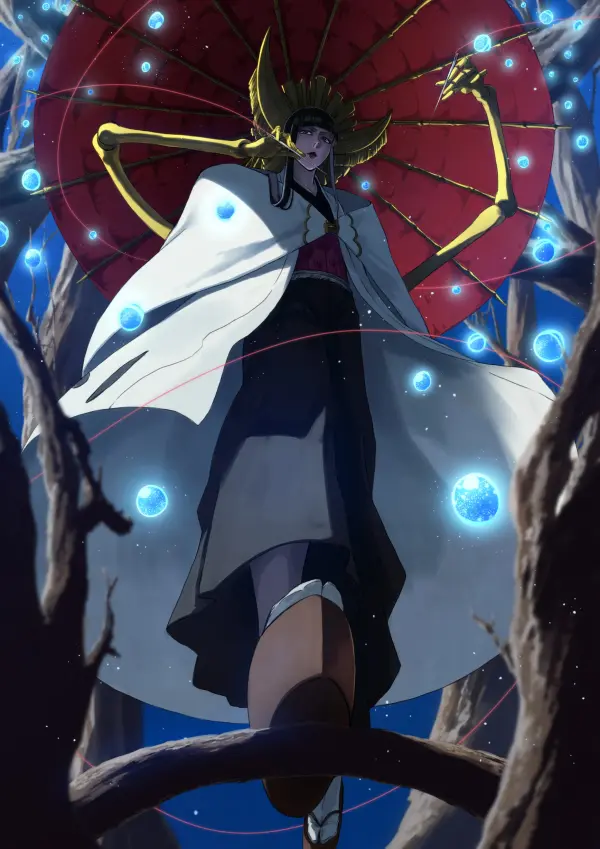
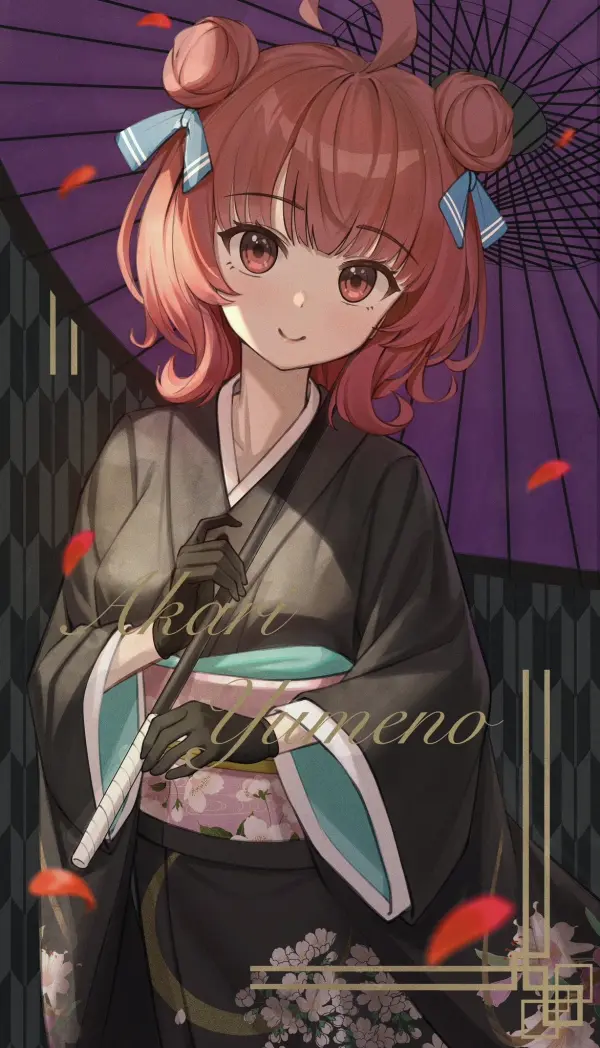
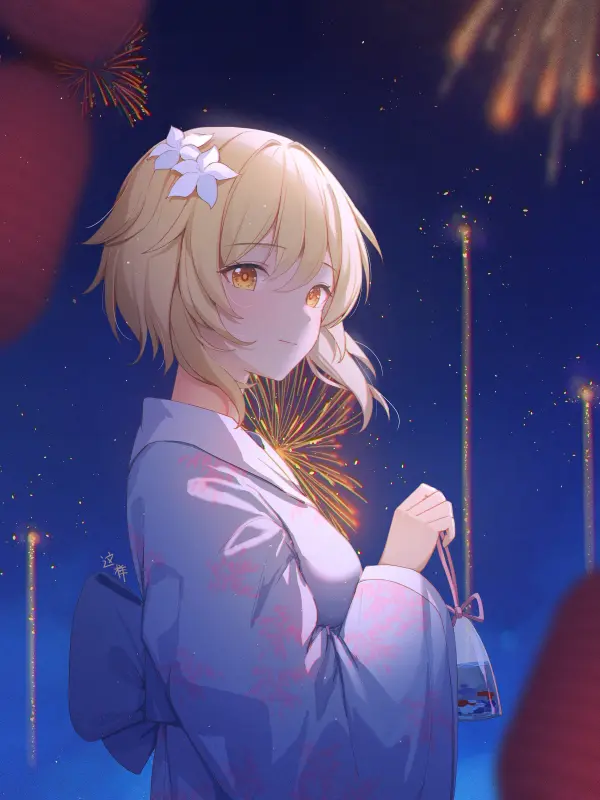
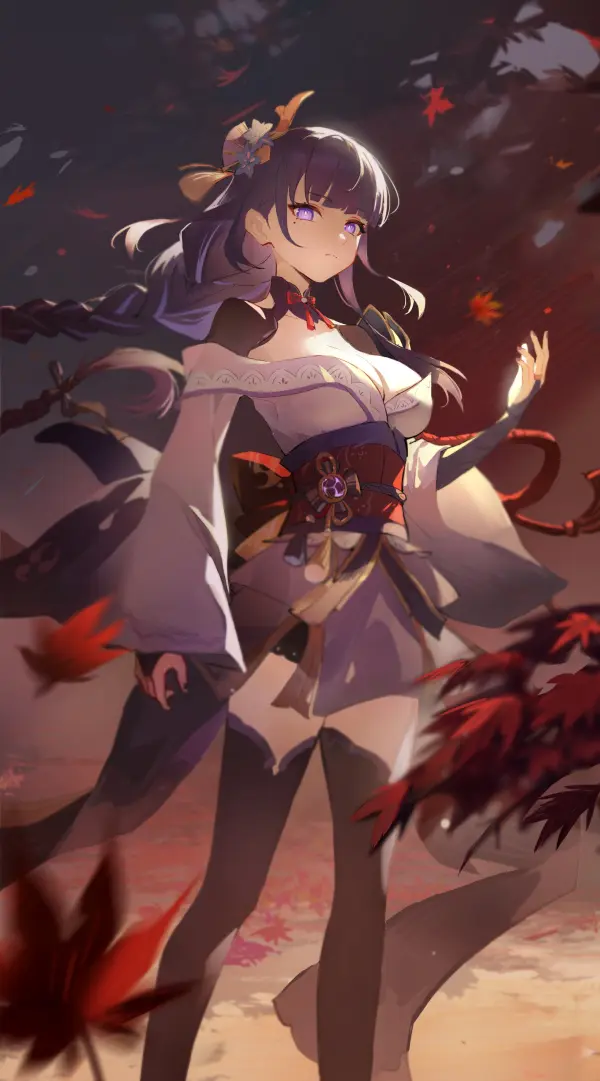
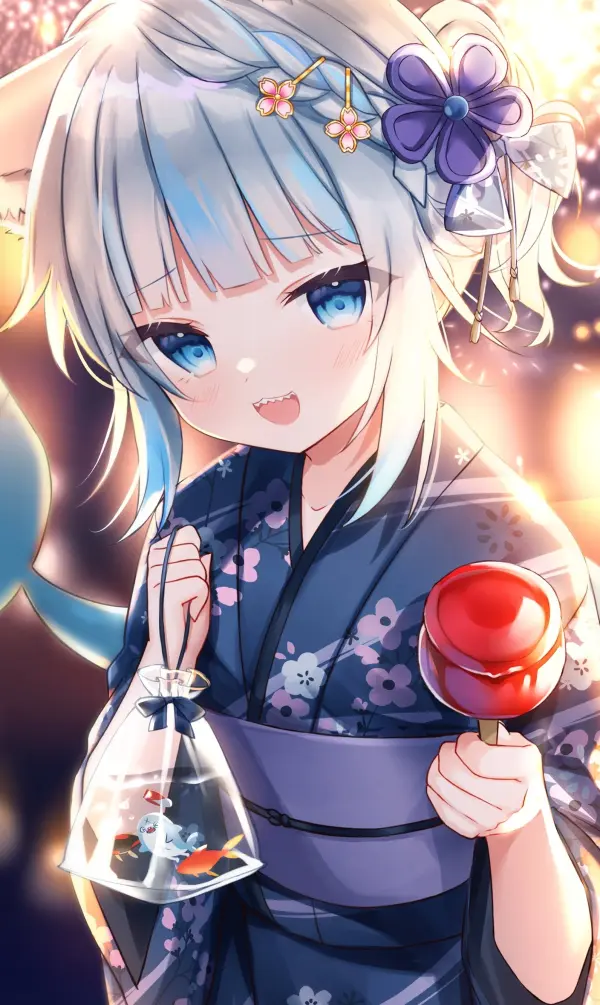
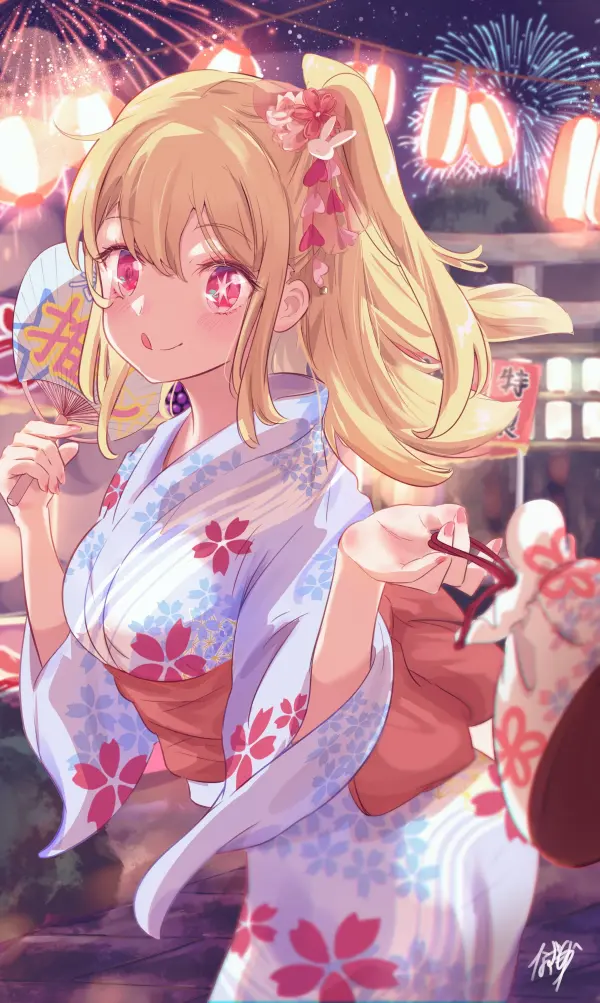
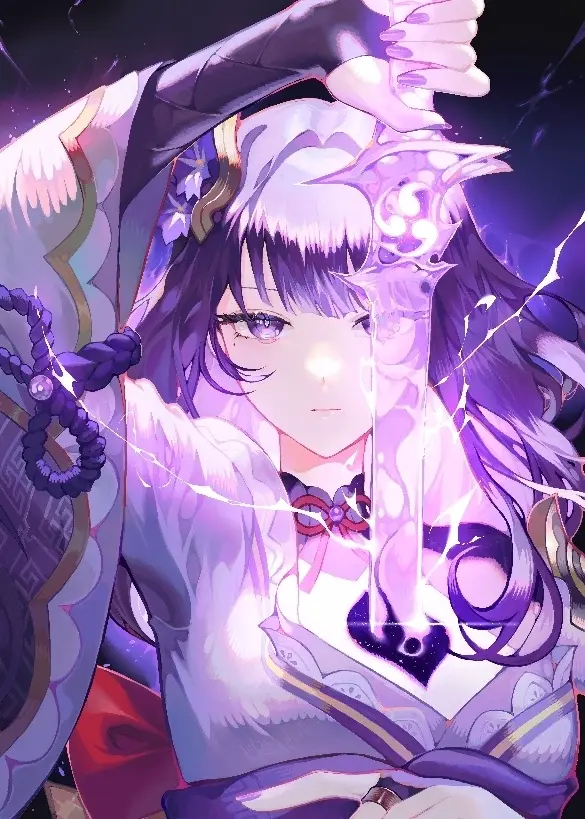
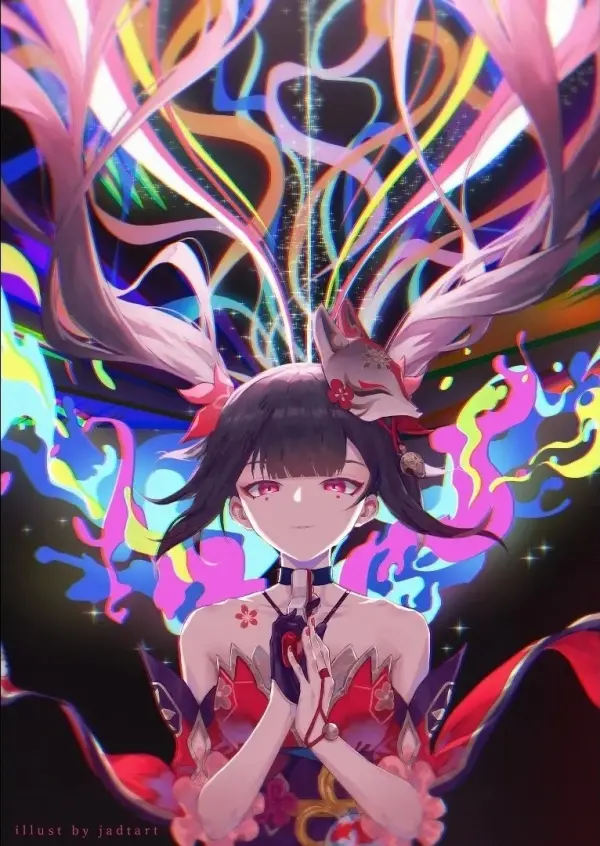
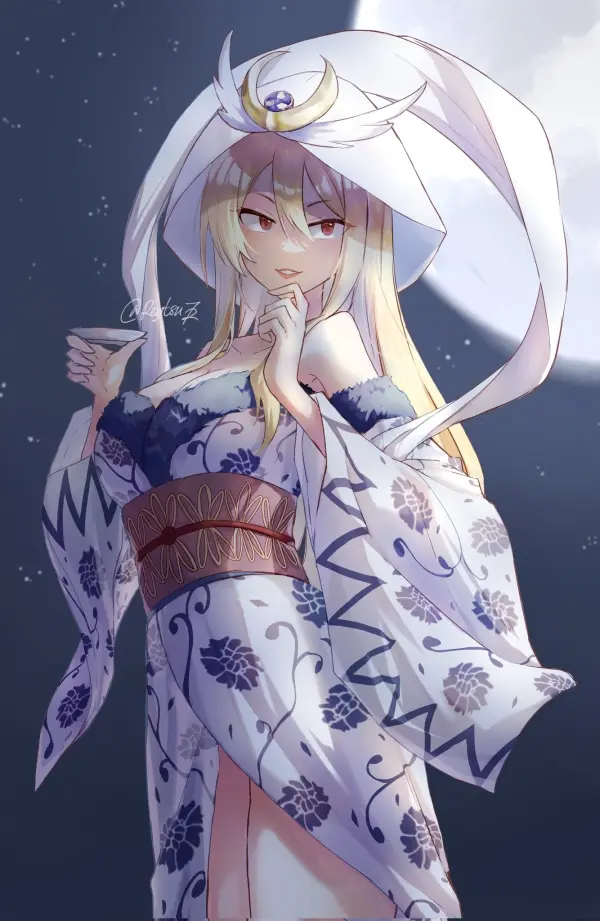
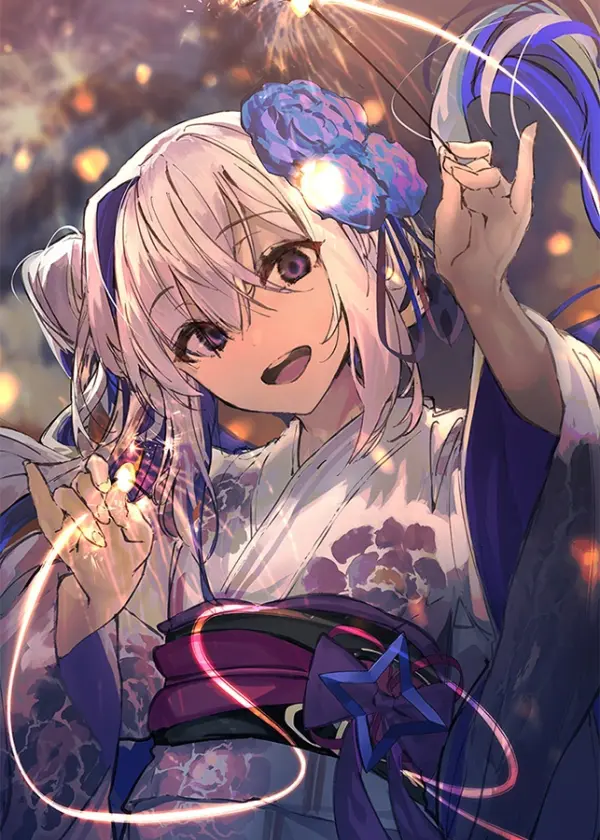
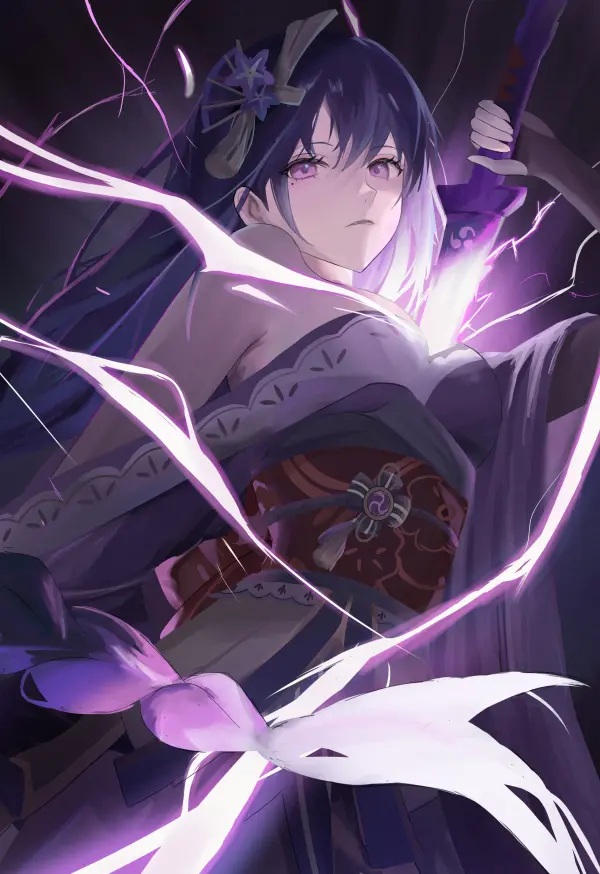
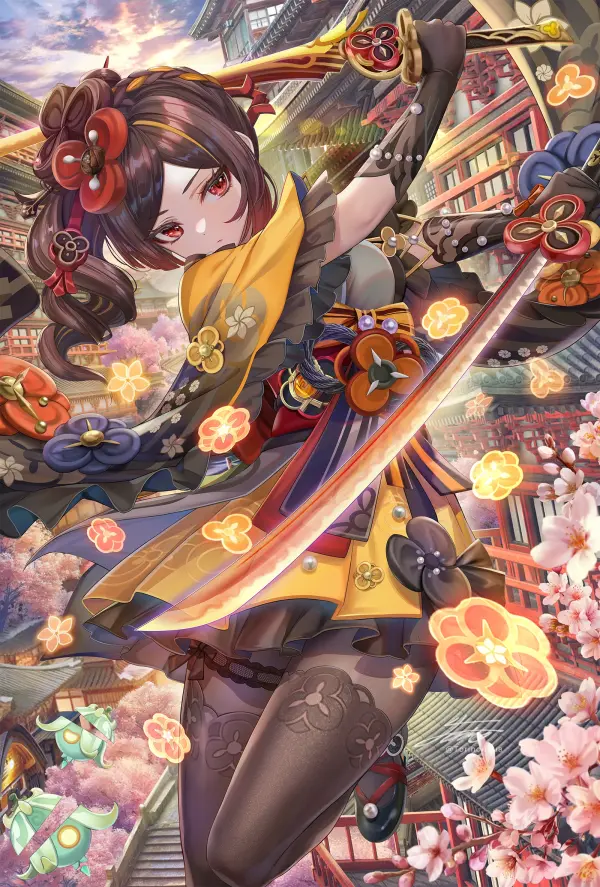
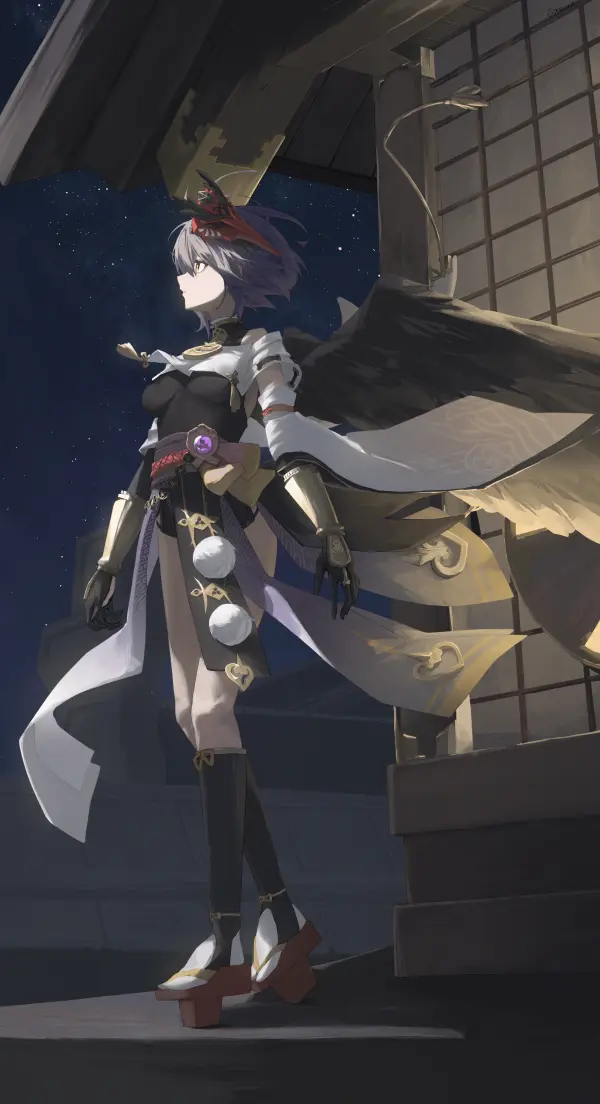
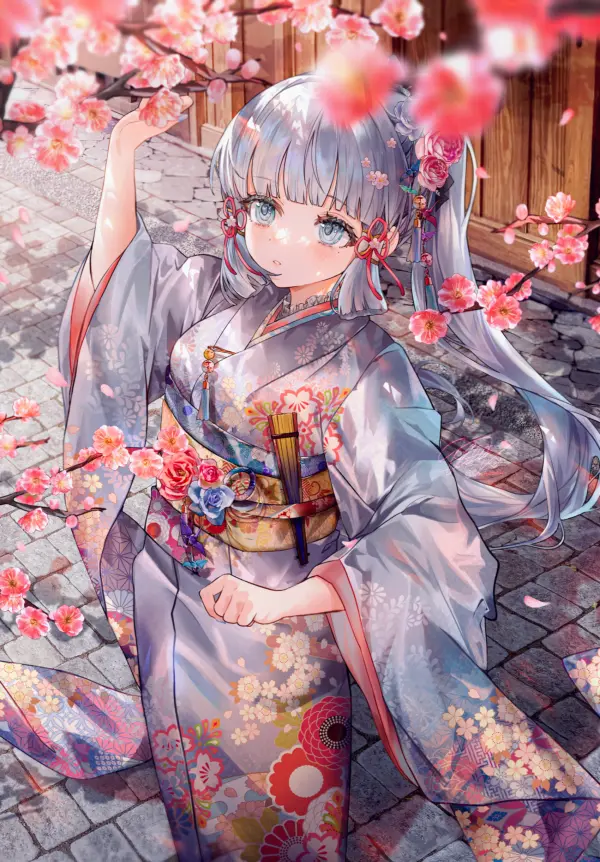
An obi is the wide sash worn over a kimono or yukata, and in anime character design, it's rarely just an afterthought. While it functionally exists to keep the traditional garment closed - wrapped tightly around the waist and tied in the back - artists use the obi as a massive canvas for color theory and detail. Because a kimono's fabric is often heavily patterned, the obi usually provides a solid block of contrasting color to break up the design, anchoring the character's silhouette and drawing the eye to the center of the composition. In anime, you'll see a few different styles depending on the setting and formality. During summer festival (matsuri) episodes, female characters usually wear a lighter hanhaba obi tied in a simple bunko musubi knot at the back, which puffs out like a stiff bow. In historical or high-fantasy settings, you might see the incredibly wide and ornate maru obi, wrapped in thick brocaded layers that signal wealth or noble status. Men's obi are typically much narrower and tied lower on the hips, giving male characters like samurai or wandering swordsmen a more grounded, rigid posture. It's fascinating how a single piece of fabric can communicate so much about a character's gender, status, and the era they belong to. Wallpapers focused on the obi tag tend to be highly detailed character illustrations. You'll find a lot of back-profile shots where the artist has focused entirely on rendering the complex folds of the knot (musubi). The contrast between the rigid, tightly bound silk of the sash and the flowing sleeves of the kimono makes for incredibly satisfying art, especially in pieces with a strong traditional Japanese aesthetic.